Tuesday, April 28, 2020

Trump's New Lawsuits Against the Media

Fake News" Web Sites May Not Have a Major Effect on Elections ...

Donald Trump has been outspoken about his distrust for the media since he began his first presidential campaign. Now, he has filed lawsuits against several media outlets for libel, claiming that their opinion pieces’ criticisms are baseless and libelous.

California lawyer Theodore J. Boutrous points out that these lawsuits are dangerous to first amendment rights stating that it “flies in the face of basic First Amendment doctrine”. He also points out that these opinion pieces are just that: opinions, meaning that whether someone’s opinion is 100 percent based in fact or not, they are still entitled to have that opinion. He adds that libel is only applicable if false statements are made deliberately with the intent of damaging a person’s reputation.

Trump’s newest lawsuit is against a local NBC affiliate in Wisconsin, which aired an ad that used a clip of his saying “this is a hoax” along with several clips of him discussing the Covid-19 pandemic. The video is actually from a press conference where Trump was discussing his impeachment trial.

Civil liberties lawyer, Ken White, says that "If this is the bar for what is a defamatory campaign ad then the vast majority of campaign ads are defamatory.” Most experts agree that this lawsuit is just a performance for Trump to try to make a point about how the media cannot be trusted. The problem with this is that it also seems like an attempt to financially drain smaller stations that he does not like.

Source:

Sunday, April 26, 2020

Week 15: EOTO 2- Propaganda


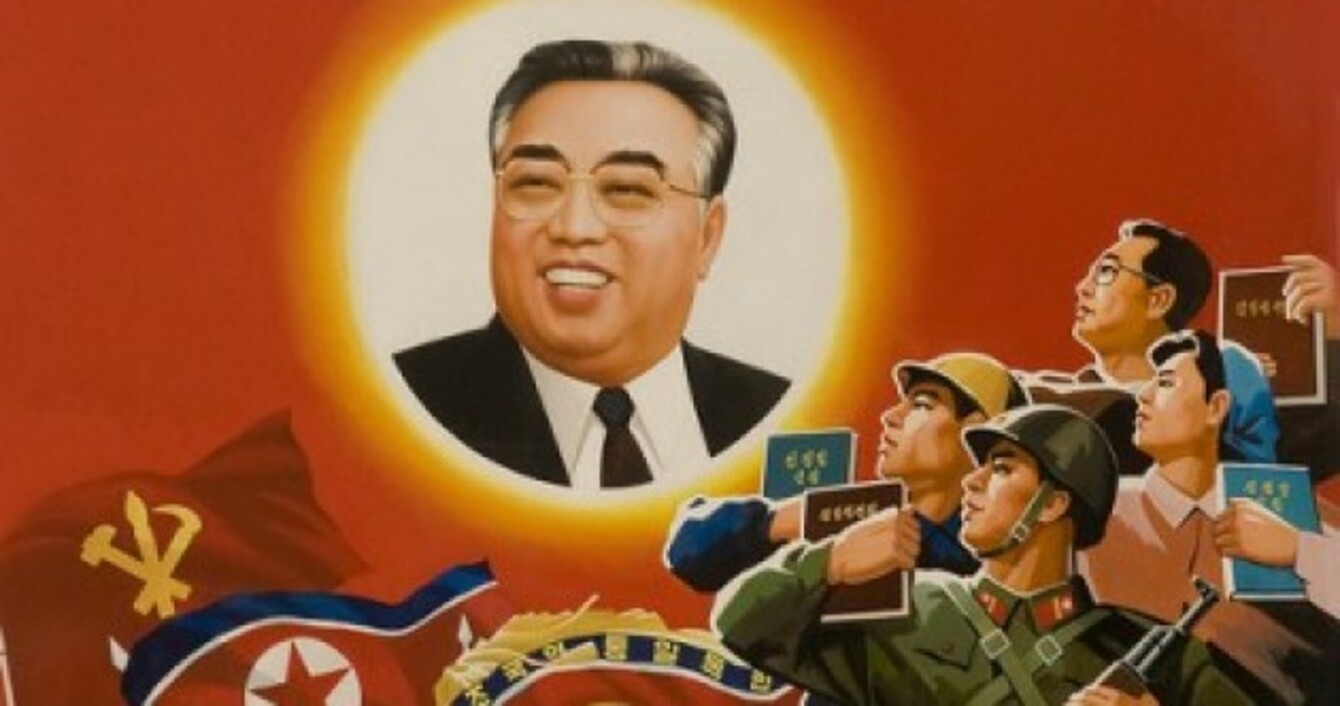
The dictionary defines propaganda as “information, especially of a biased or misleading nature, used to promote or publicize a particular political cause or point of view”. Propaganda can be seen around the world today, and it can take many forms. It can be seen on a large scale in countries like North Korea where citizens are told how great their current situation is, and on a smaller scale, we can see it everyday on social media here in the U.S. where organizations will publish misleading articles for the purpose of spreading their agenda.

A recent example of propaganda is China, Russia, and Iran using the Covid-19 pandemic to spread anti-American messaging to its citizens. According to a new State Department report, the three governments along with their state-run media outlets have been perpetuating the idea that the Coronavirus is a bioweapon engineered by the United States, and that the U.S. armed forces are responsible for spreading the virus to their enemies. The narrative has been pushed by all three countries, while websites owned by Russia’s Defense Ministry even alluded to the fact that it wanted to investigate the claim that Bill Gates helped create the pandemic.

The messaging between the three governments has been increasingly converging, as these states continue to push the narrative that China is more concerned about fixing the pandemic situation, while the U.S. continues to do little to resolve it. Iran continues to deny any use of propaganda, and says that any Corona-related disinformation is done by the American government. China’s internet and media, which is notorious for being restricted by the government, has recently allowed anti-American propaganda to manifest on its social media sites, as it helps push the same narrative that they are expressing.

Here in the U.S., concerns have also been raised over propaganda being perpetuated by Donald Trump. Major concerns have always been present over his rhetoric telling people that the media is filled with liars and can’t be trusted due to their criticism of him. In a recent press release, he assured reporters that his administration was handling the virus better than anyone else could, and stating that there is no issue with the availability of ventilators and other medical materials. Later in his speech, he blamed governors for not stockpiling ventilators, to take pressure off himself for his previous comment. While this can be seen as the president’s lack of preparedness to deal with a critical press, it is concerning to many how Trump uses these opportunities to either spread misinformation or make himself look good (while blaming others) for the upcoming election.

Sources:

Wednesday, April 15, 2020

Week 14: Privacy


I really enjoyed the Ted Talk about how your digital footprint is like a tattoo. I think that this is a great analogy, as tattoos are permanent just like and data that you share, or videos and photos that are taken of you. I think the most disturbing part about this speech was realizing that companies can implement facial recognition cameras that can find your social media and use your Facebook or Twitter account to find products that you like so it becomes easier to sell things to you.

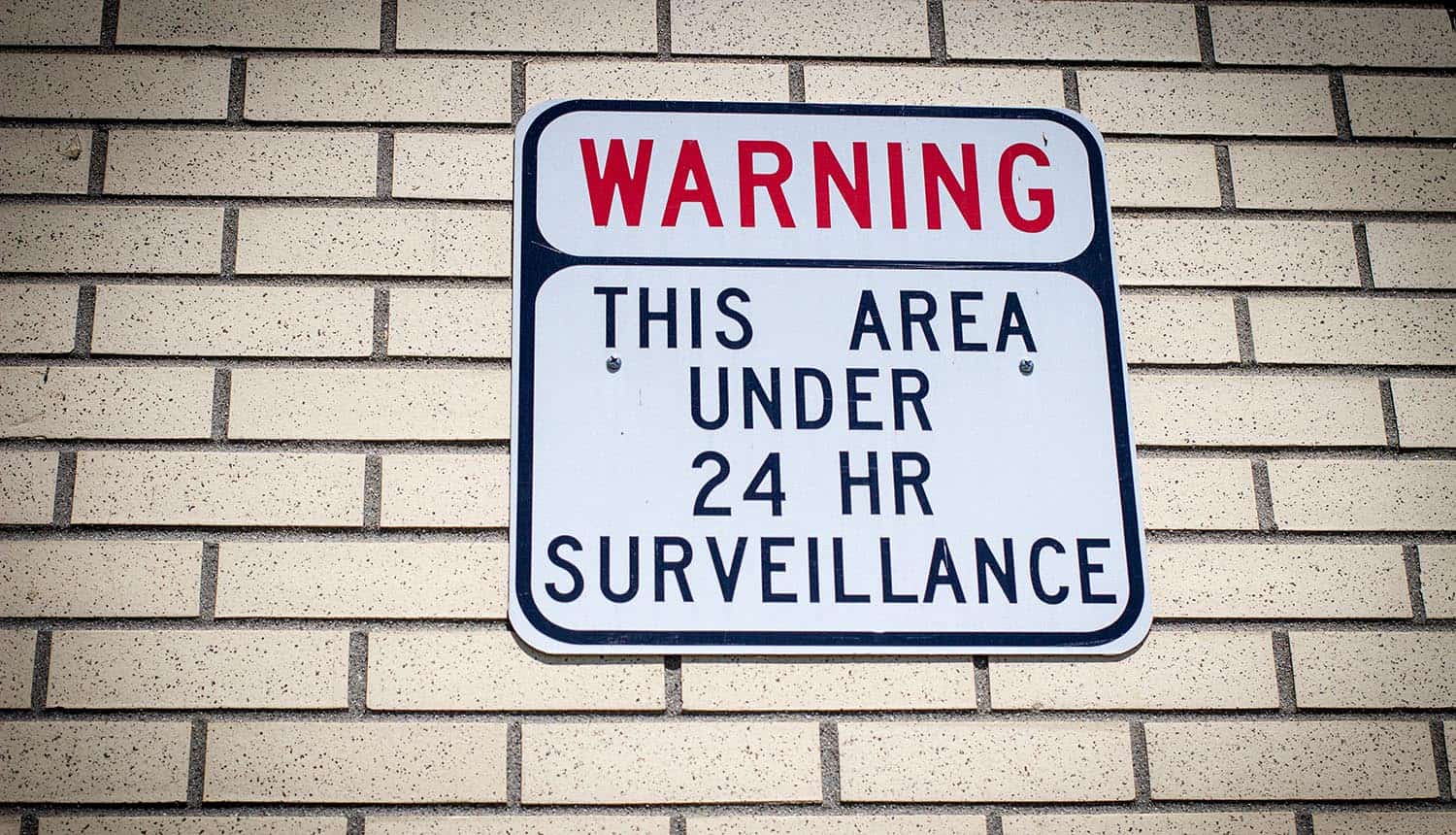
The other speech that I found disturbing was the fact that thanks to your phone and GPS, they government has the ability to track where you go, how often, and even what route you take. The police also use license plate readers that are mounted on poles and police cars. This would be a good technology to use if it was only used to narrow down the whereabouts of people wanted by the law, but everybody’s plate is put into police databases. These camera also take photos of your car to see who you are with and, if enough of these photos are present, they can see where you go and what your daily routine looks like. This technology is also being abused, as the NYPD drives cars past mosques to keep track of who is attending and keep records of those people.

I think that all of this is unnerving, and mostly a bad thing. On one hand this type of technology can be used to track down criminals, but in the other hand, it should not come at the expense of everyone’s personal privacy.

Wednesday, April 8, 2020

week 13: My Online Presence

It seems that in today's times that everyone is on social media in some capacity, whether it be facebook, snapchat, or even just linkedin. While thinking about this topic I came to the conclusion that I do have an online presence, albeit smaller than most people my age. While I don't use instagram, I have a facebook which I don't update often, I just use it to see what friends and family are up to. In the past few years I have shared some videos on there regarding politics, which is one of the reasons I have my account on private mode, as I don't want employers with opposing views to be discouraged by that if they search my name.

I also have a twitter where I just retweet things that I find funny (I don't make any original posts). I have made sure to keep these accounts set on private so anyone looking up my name can't stalk my profile. I don't have anything on these accounts that I would consider unprofessional, it just makes me more comfortable knowing that strangers aren't looking at my profile. I have made sure to make my facebook profile picture professional enough

I try to share as little information as possible with these sites. Facebook has been under scrutiny in recent years for privacy concerns. They do have my email, as is required when creating your account, and I must admit that I find emails from them somewhat annoying.

Like everyone, I have a snapchat, but I use it sparingly, and I try to keep my friends list small and reserved for people that I talk to on a semi regular basis.

week 12: Activision Wins 1st Amendment Lawsuit

Activision, the company famous for making Call of Duty, one of the biggest video game franchises of all time has won a lawsuit that was filed against them for their use of Humvee's in their video games.

AM General, the manufacturer of the popular military vehicle sued Activision in 2017, on the ground that using Humvee's in their game was copyright infringement, and falsely adverting the use of their vehicles in the games.

AM's claim was dismissed by the district judge this week. "That decision hinged in part on a 1989 precedent that established that artistic works could make reference to outside trademarks as long as the usage was relevant to the work and did not "explicitly mislead as to the source of the content or work." (arstechnia.com).

Had the game's use of the vehicles been "explicitly misleading", then that would trump Activision's first amendment right, as it would have been false advertising. The judge even stated that if Activision's artistic goal is to portray realistic war in their video game, then the use of Humvee's is helping them creative their artistic attempt to portray realism.

Source:
https://arstechnica.com/gaming/2020/04/us-judge-first-amendment-protects-call-of-dutys-use-of-humvees/

Monday, March 30, 2020

8 Values Key Post


While reading about the eight values of free expression, I was most interested by the ‘protect dissent’ value. I think that this is extremely important, as it not only gives the people a voice, but it can also sway the actions that the U.S. government takes.

If it were not for this, I think that we would be living in a very different country. There is a lot of corruption from both parties at the state and federal levels, and it is important to hold the people that represent the ordinary citizens accountable for their actions, a good example of this would be people calling for Trump to release his tax returns. While he said that he will not do so, this has at least made it obvious that he is most likely not paying all of his taxes, and he can now be criticized for it. If voters want transparency, they have the right to call for it and criticize and likely not vote for politicians if they refuse.

It is also important to criticize the actions of the government as a whole. The Vietnam War was one of the worst decisions that the government made in the 20th Century, and had there been no pressure from the public to pull out, the government might have decided to stay engaged for longer, which would have resulted in the deaths of even more U.S. soldiers.

More recently, the U.S. has been inching closer to legalizing marijuana on a federal level, and many states have already legalized it. This is due to public criticism that people should not be punished for using a relatively harmless substance. If it were not for people criticizing the outlaw and harsh policies that come with it, we may have never seen it legalized in a single state.

Other countries such as China do not have the ability to criticize their government without fear of being punished, which, in turn gives the government even more power to do what they want without any fear of retaliation from the public. This is a large reason that Hong Kong does not want to be incorporated into mainland China, for fear of losing rights like this.


I think that overall, this is an extremely important right to have, and can actually be beneficial to the government as well as the people, as dissent may cause the government to be more transparent and take more ethical routes of action, therefore building a better relationship with its citizens.

Monday, March 23, 2020

Week 7

While watching the group presentations, I was particularly fascinated by the history of the carrier pigeon. I decided to do some research of my own to learn more about the topic. 

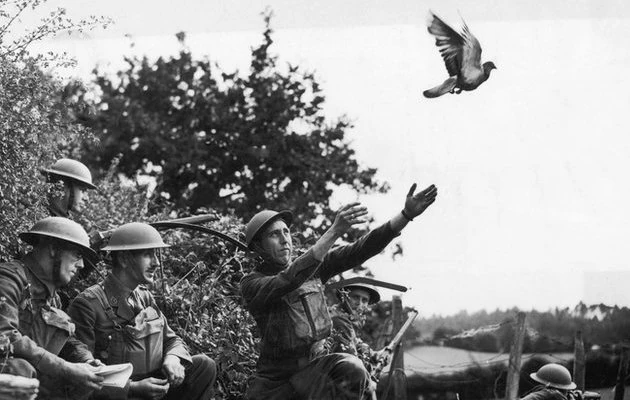
I was most fascinated by their heavy use in World War One, as over 100,000 pigeons were used by both sides. They are an often overlooked part of the war but they played an instrumental role, sending messages from the front lines and have over a ninety-five percent success rate of arriving at their desired destination. 

The main reason for their popularity was that while telecommunications were preferred for their efficiency, sometimes troops moved past the point where lines were laid. Also, difficult terrain made it impossible to lay said line in some situations.

A notable carrier pigeon was named Cher Ami. In total, he flew telve missions, but the most important came when Major Charles Whittlesey found him and himself surrounded by encroaching German troops. Thinking that all was lost, he sent his only pigeon to ask for backup. Eventually the US troops began supporting him and his men with artillery fire, but it was incorrectly targeted on Whittlesey’s position. He sent Cher Ami back to his commander, but watched his pigeon get shot down. Miraculously, the bird got back up and completed his mission saving over 200 soldiers from certain death. 

I think that this is such an interesting part about the first world war, and I think that this should be taught in schools more. Pigeons aren’t necessarily known for their intelligence but this highlights the fact that they are much more intelligent than we give them credit for. Sources: http://www.armedforcesmuseum.com/carrier-pigeons-used-during-world-war-i/